What was flooded
The Mratinje dam was completed in 1975. Behind it the Piva river backed up into a reservoir 45 kilometres long and up to 188 metres deep, drowning villages, farmland and the road that used to run along the valley floor.
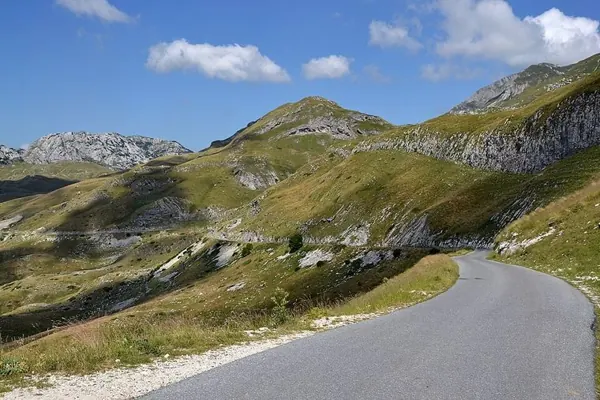
The new road was cut into the cliffs above the new water line, which is why it goes through 56 tunnels — most of them unlit, several barely wider than a car. That road is now one of the reasons people drive here.
The monastery that was moved
Piva Monastery was built between 1573 and 1586 and covered inside with frescoes — around 1,260 square metres of them. It sat in the valley that was about to be flooded.
So it was taken apart. Between 1970 and 1982 the whole building was dismantled, every stone and every fragment of fresco numbered, moved three and a half kilometres uphill, and reassembled. It is the largest operation of its kind ever attempted in the region and it worked — you can stand inside it now and the frescoes are on the walls where they were.
The road
| Nikšić to Plužine | 45 min, ordinary road |
| Plužine to Šćepan Polje | About 1 h 15 through the tunnels |
| Tunnels | 56, most unlit, several single-width |
| Fuel | Plužine, then nothing for 60 km |
| Signal | None inside tunnels, patchy between |
| Dam height | 220 m |
- Headlights on before you enter, not as you enter
- Horn before blind tunnels — everyone does it
- Do not stop inside for photographs
- Check the height if you are in a motorhome
The water
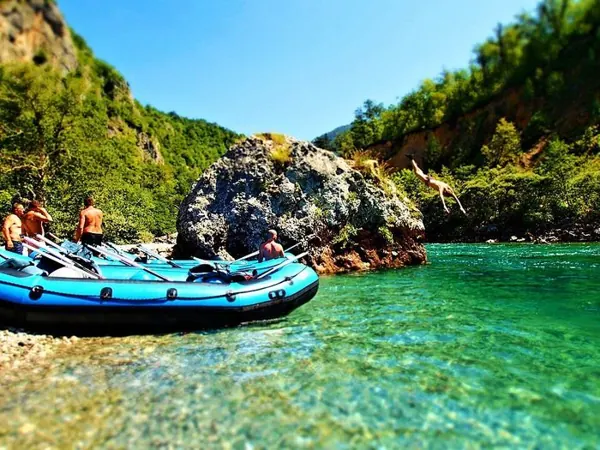
The colour is the thing people remember — a hard turquoise that comes from glacial rock flour suspended in it. It changes through the season as the level drops, exposing pale rock along the shoreline that makes the blue look stronger.
There is swimming from small jetties near Plužine, boat hire, and kayaking on water that is almost always flat because the valley shelters it. It is cold — this is mountain water, and it does not warm up much even in August.
Where it sits
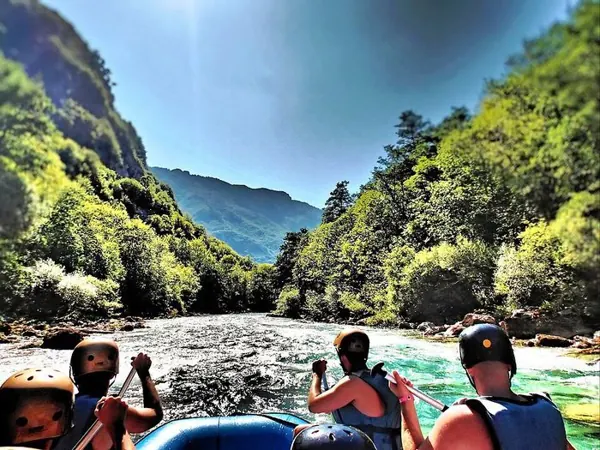
Piva is on the route between Nikšić and Šćepan Polje, which is where some Tara rafting trips end and where the Tara and the Piva join to become the Drina. Anyone driving from the coast to the rafting camps comes this way, and anyone driving from Kotor to Durmitor should.
The alternative route via Mojkovac is faster and duller. This one takes an extra hour and is the reason to have hired a car.
Staying
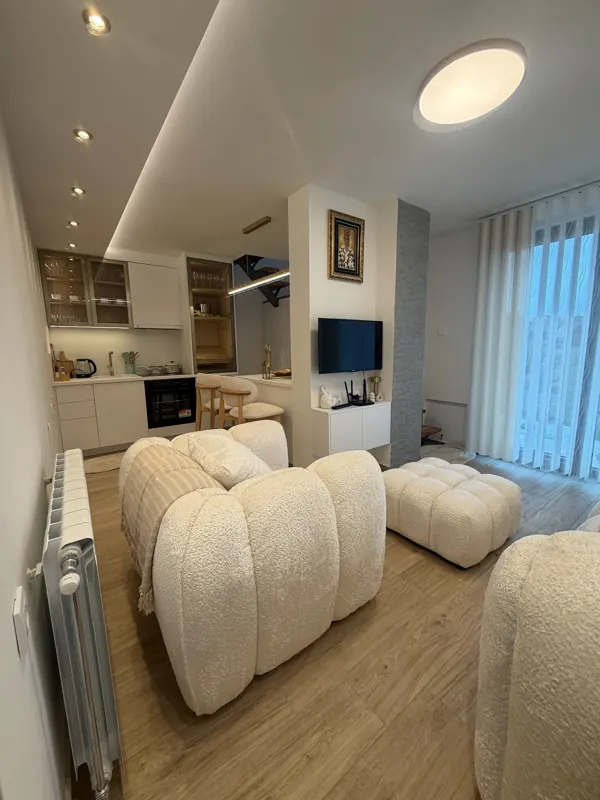
Plužine is a small town on the lake with modest accommodation and a few restaurants. It is quiet in the way that towns built to replace drowned ones tend to be. Most people pass through; staying a night puts you an hour from both the Durmitor ring and the rafting put-ins.