Crime
Violent crime against visitors is rare. Pickpocketing exists in the tourist crush of Budva and Kotor in August, at roughly the level of any Mediterranean resort town and well below Barcelona or Rome. Walking anywhere in any town at night is normal, including alone.
Montenegro has organised crime, and it makes the news. It is not directed at tourists and has no practical bearing on a holiday, in the same way that organised crime in Naples does not change how you spend a day in Naples.
The actual risks, in order
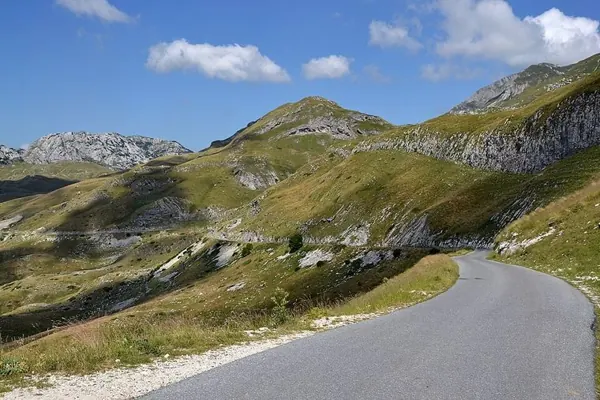
1. The road. This is the one. Montenegro's road fatality rate per capita is among the higher ones in Europe. Overtaking on blind bends is common, mountain roads are unfenced, and the coast road in August mixes buses, hire cars and mopeds on a two-lane strip. Drive defensively, do not overtake because the car behind you wants you to, and use headlights.
2. The sea. Drownings happen every summer, usually to strong swimmers who went out from an unpatrolled beach in a swell. Most Montenegrin beaches have no lifeguard. The jugo wind builds current fast and it does so on a day that looks fine from a sunbed.
3. The sun. Thirty-three degrees with a sea breeze does not feel like thirty-three degrees. The people carried off the Kotor walls every summer are suffering heatstroke, not assault.
Numbers to have in your phone
| All emergencies | 112 |
| Police | 122 |
| Ambulance | 124 |
| Fire | 123 |
| Mountain rescue | 112 (ask for mountain rescue) |
| Roadside assistance (AMSCG) | 19807 |
Animals, briefly
There are brown bears and wolves in the northern forests. Neither is a realistic concern for a visitor; sightings are rare and encounters rarer. Nose-horned vipers exist on rocky southern hillsides and are venomous — the sensible precaution is boots rather than sandals when walking through scrub, and not putting hands into rock crevices.
Stray dogs are common in towns and almost always harmless. Sea urchins on rocky beaches are the injury people actually get; water shoes solve it.
Health cover
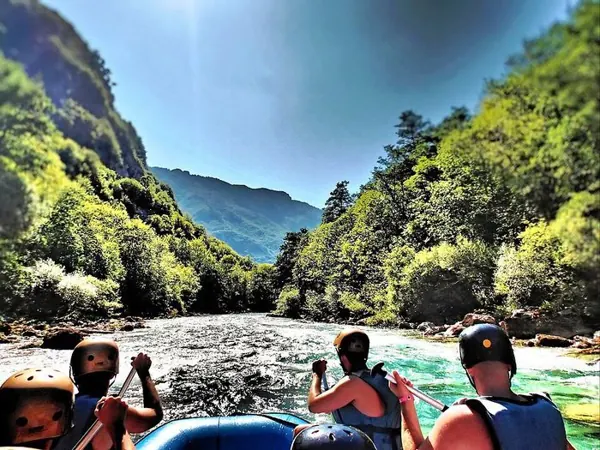
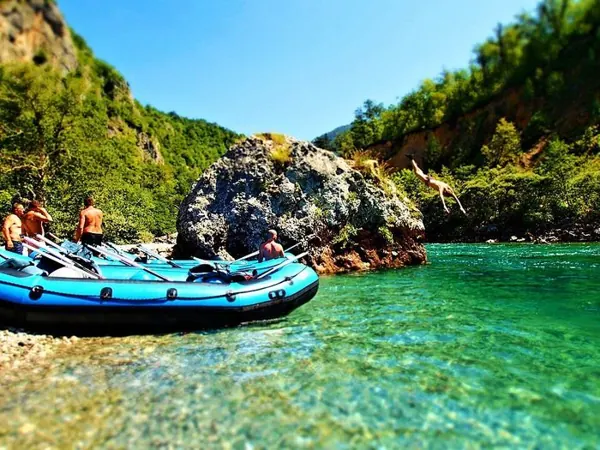
An EHIC card is not valid here, because Montenegro is not an EU member. Buy travel insurance, and if you are rafting, canyoning or on a via ferrata, check that it covers those by name — many standard policies list them as hazardous and exclude them, and people discover that only after an accident.
State hospitals in Podgorica and Kotor are competent. Private clinics on the coast are quicker for minor things and want payment on the spot.
Solo and women travellers
Both are common and unremarkable here. Hitchhiking is still normal in the north and reasonably safe, though buses are easier. The one genuine annoyance is that in smaller inland places a woman eating alone is noticed — not threatened, just noticed.